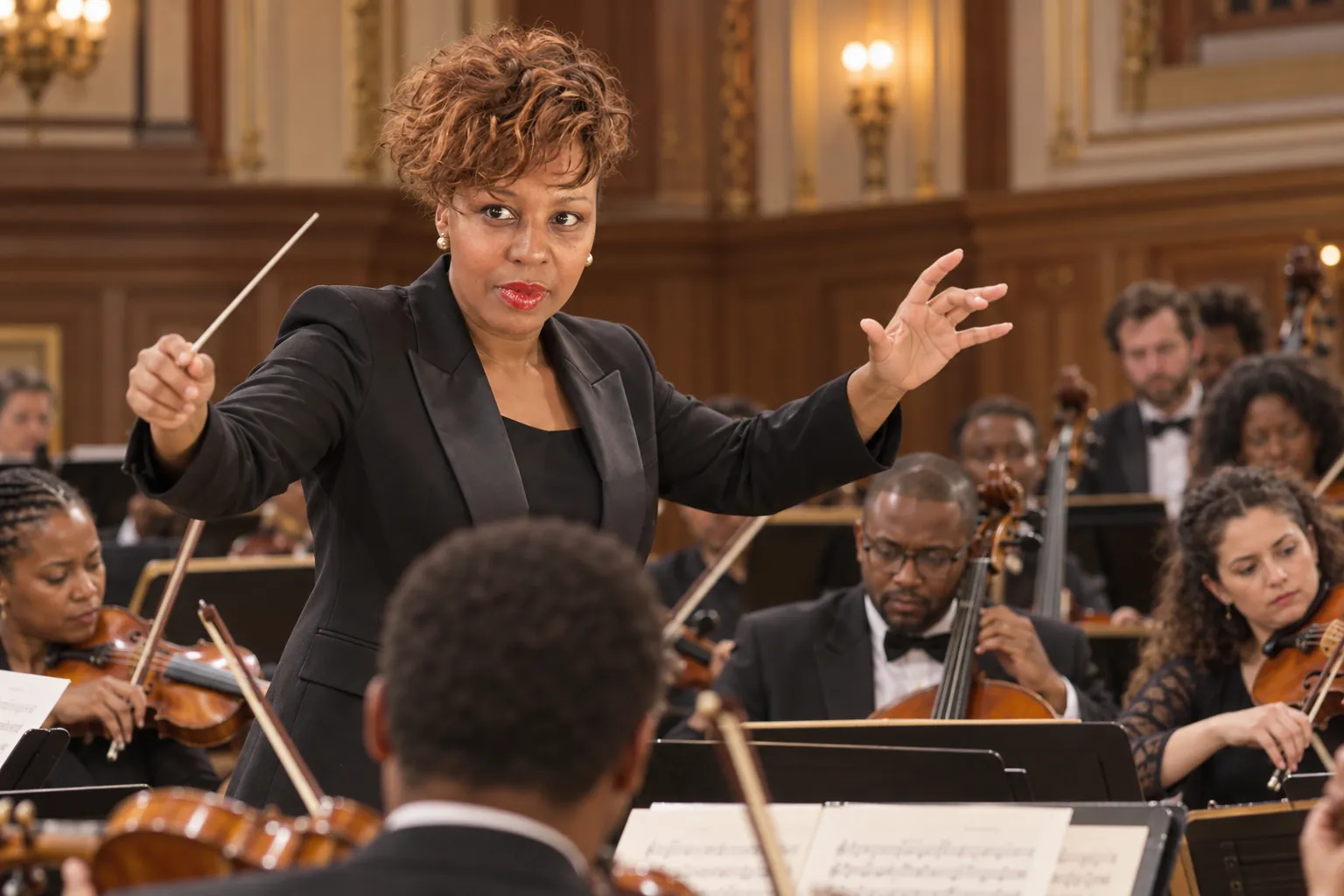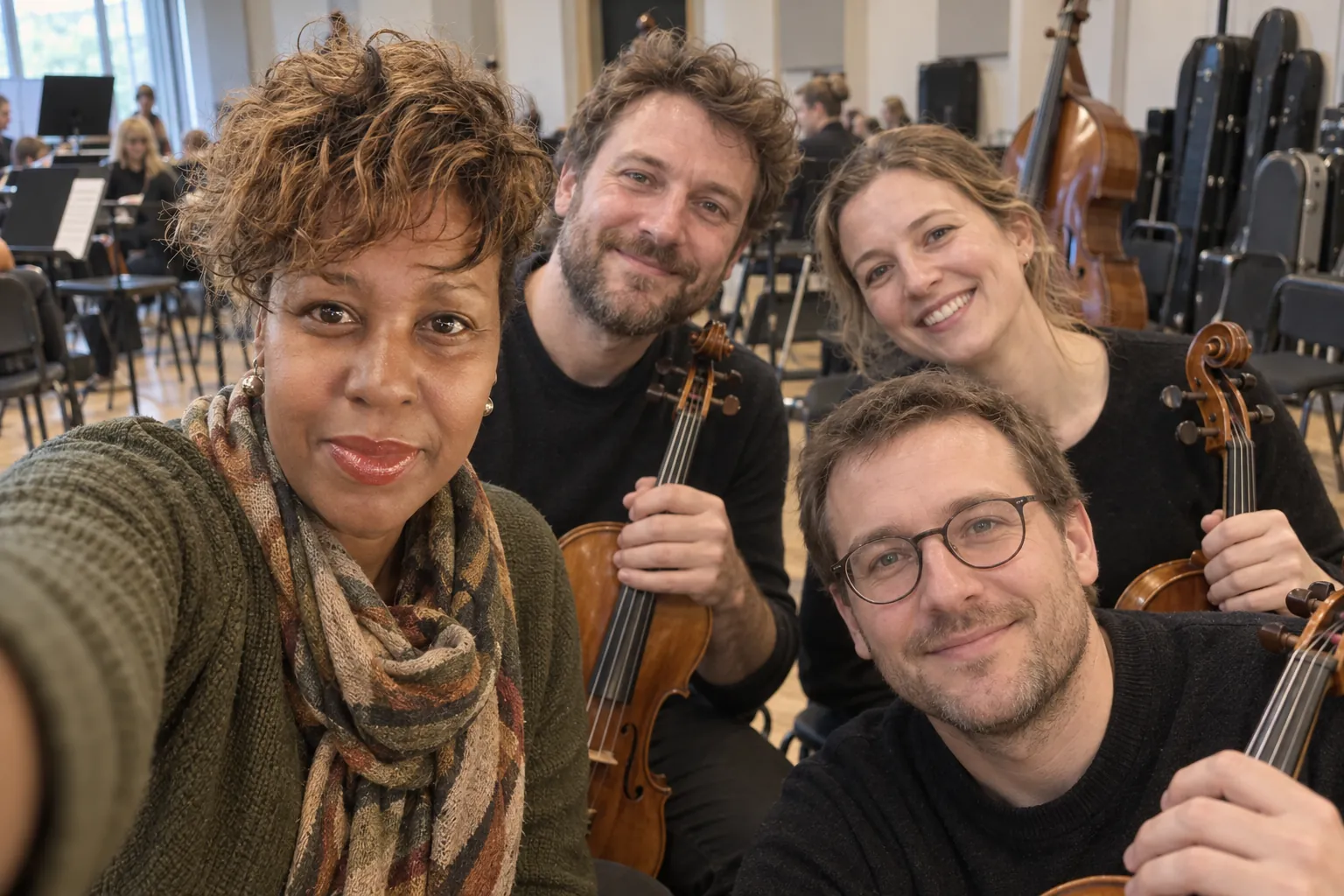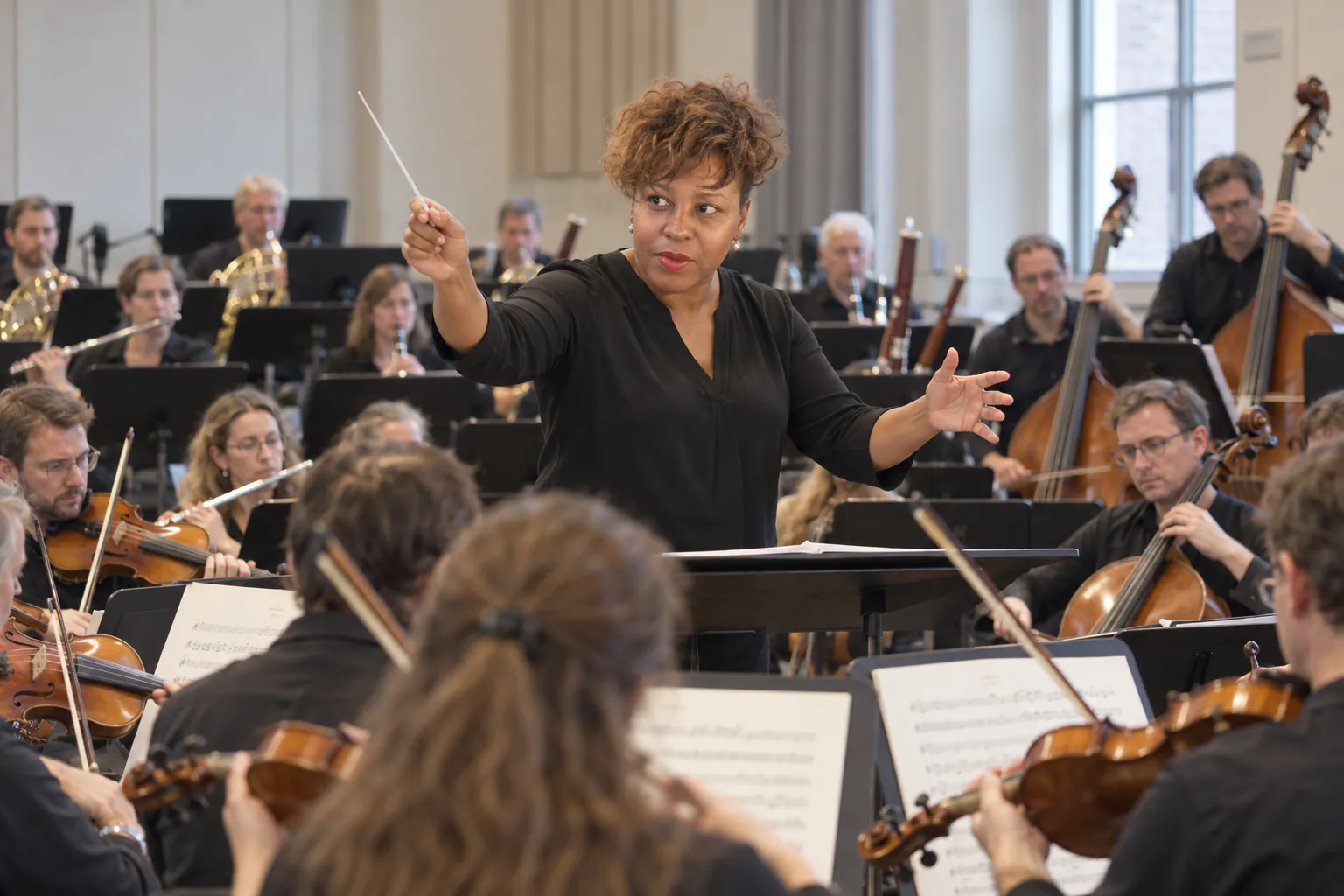
Unathi Malunga joined the Western Balkans Youth Orchestra programme as a visiting conductor from South Africa, including work in Germany. Her contribution places her orchestral practice within a setting built around musicians meeting, rehearsing and performing across borders.
The programme offers a useful context for thinking about international collaboration: artistic preparation, shared rehearsal time and the experience of working within an ensemble whose members bring different musical backgrounds.
A programme across borders
The orchestra’s official 2026 programme, Be Embraced & Music of Today, ran from late July to mid-September. It combined residencies in Shkodra, Albania, and Essen, Germany, with symphonic and chamber performances across the Western Balkans and Germany.
Its German programme included Aachen, Essen, Dortmund and Oberhausen. The repertoire ranged from established orchestral works to contemporary music connected with the Western Balkans. These details describe the published programme as a whole; they do not assign every concert or work to an individual visiting conductor.
The work inside a rehearsal
A visiting conductor enters a musical conversation already in progress. Preparation includes understanding the score, the ensemble’s working habits and the time available. The practical aim is to make a contribution that musicians can hear and use.
That can mean clarifying a transition, balancing a texture or finding a shared character in a phrase. It also means listening to what the players bring. A rehearsal succeeds through the relationship between preparation and response, rather than through instruction alone.
Exchange that carries forward
International orchestral work can connect different approaches to learning, repertoire and collaboration. Its value is not limited to the performance date. Questions encountered in rehearsal can influence how musicians prepare for the next project and how they work with colleagues elsewhere.
For a South African visiting conductor, such an exchange sits alongside the wider question of how orchestral practice develops across places and institutions. The useful conversation is specific: what can colleagues learn from one another, and how can that learning be carried into future work?
Further tour destinations will be added when confirmed. This article records the confirmed visiting-conductor role and the published programme context without announcing an unconfirmed itinerary.
Programme & further reading
Western Balkans Youth Orchestra: Be Embraced & Music of Today 2026 ↗