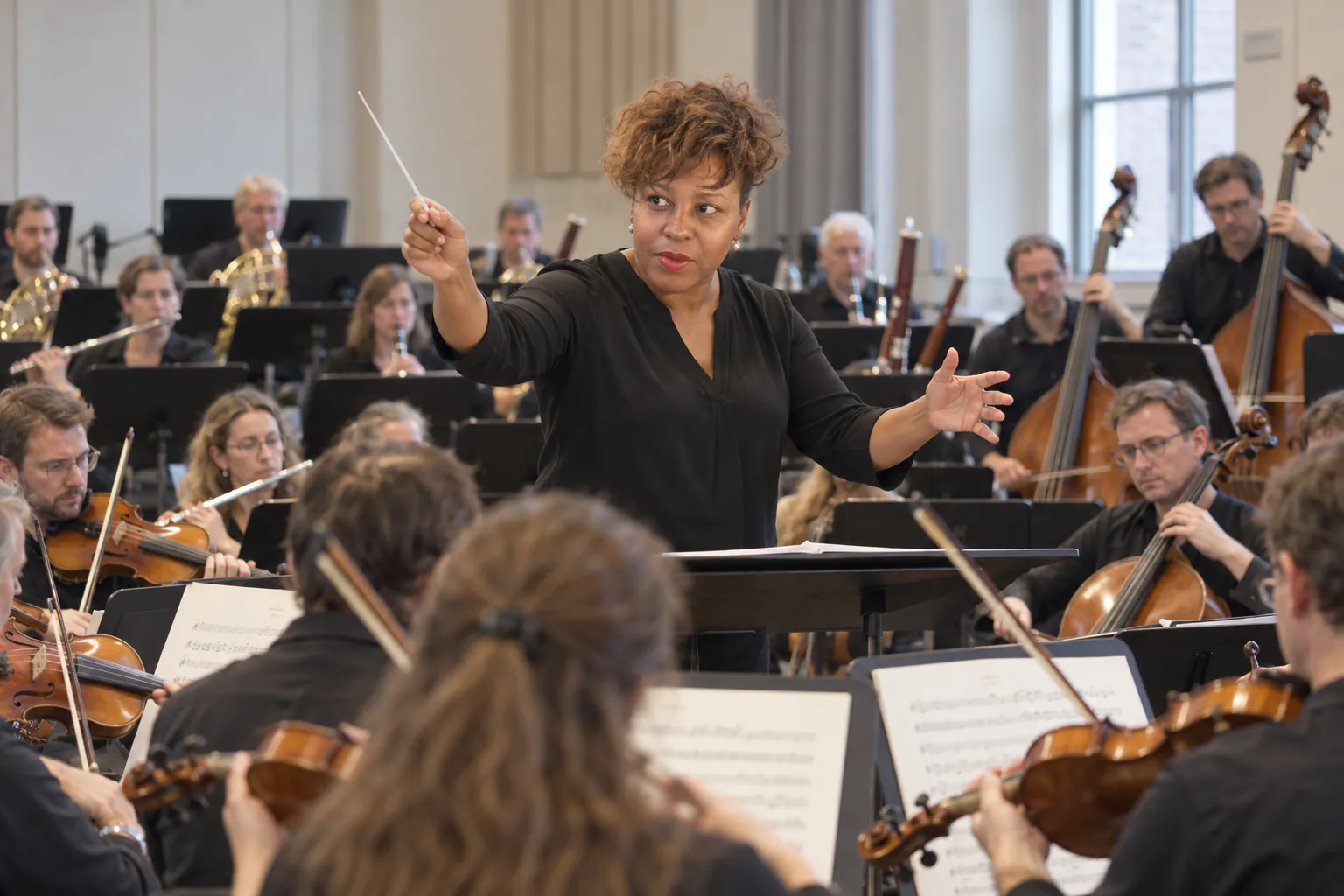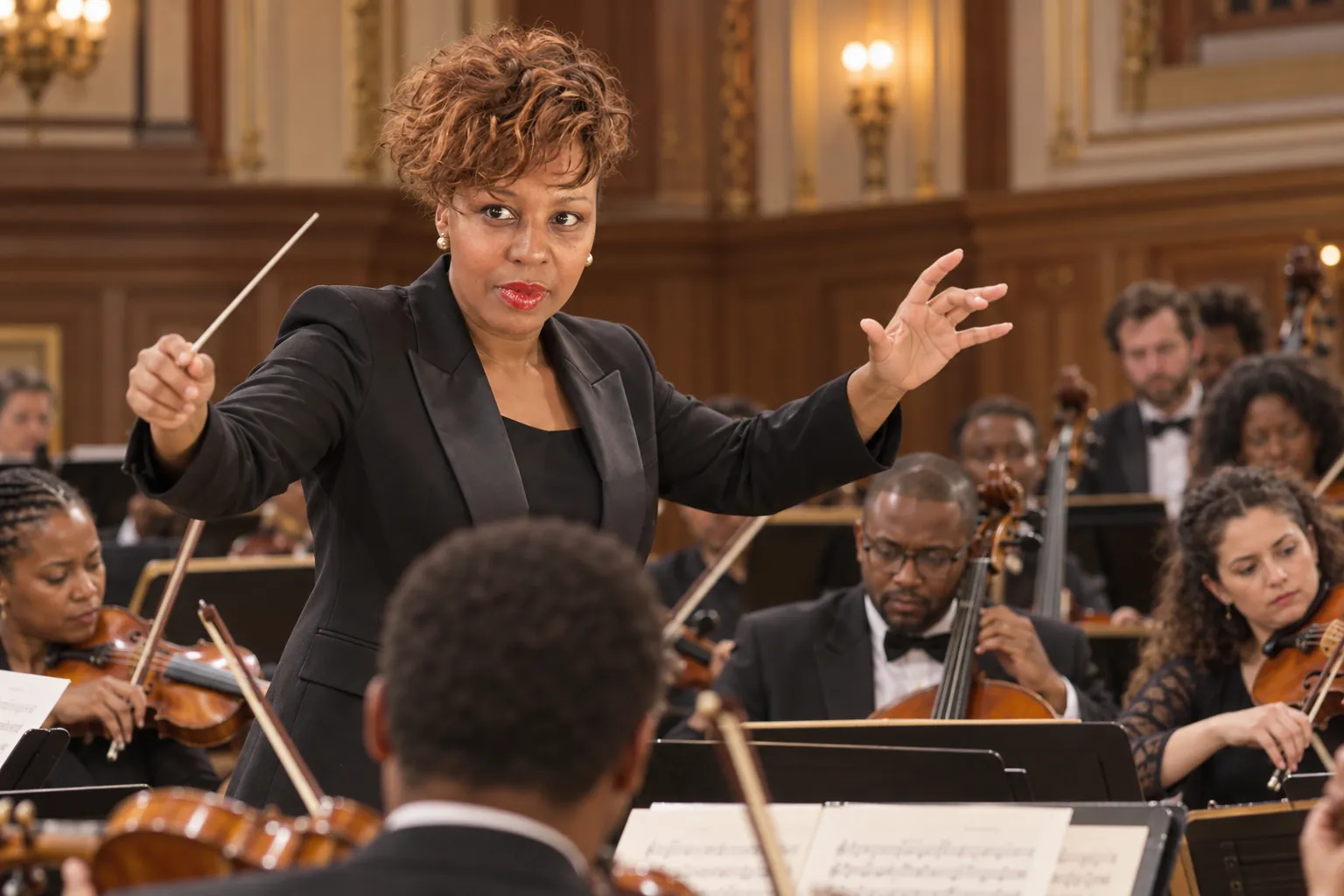
An orchestra brings individual preparation into a shared room. The conductor’s task includes giving that preparation a common direction: a phrase to shape, a texture to clarify, a transition to make convincing. A rehearsal can become more productive when its priorities are audible and specific.
This is an editorial approach to rehearsal planning, rather than an account of a particular performance. It starts with a practical question: what musical change would make the greatest difference to the next run?
Make the musical problem precise
“Again from the beginning” asks everyone for time without necessarily explaining the purpose. A more focused request identifies the passage, the relationship between parts and the sound being sought. Is the melody obscured? Does an accompaniment arrive too heavily? Is a change of character happening before the ensemble has heard the new pulse?
The Philharmonia’s instrument resources are a useful starting point for exploring the voices inside an orchestra. Their relevance to preparation is straightforward: a conductor needs curiosity about how each instrument produces sound, rather than treating every part as an interchangeable line on a page.
Leave room for the players
A clear instruction does not require a long speech. Give the ensemble enough information to try something, listen to the result and decide what remains unresolved. A useful rehearsal note names an action that players can test immediately.
There is also a place for questions. Asking a section what makes a passage awkward can reveal a practical obstacle that a wider gesture will not solve. The discussion should return to the music, with an agreed next attempt.
Carry the work forward
At the end of a session, identify the passages that improved and the issues that still need attention. A short, shared list is more useful than an expansive account that nobody has time to read.
For a project team, the same principle applies outside the rehearsal room. Good preparation makes the next decision easier. It gives people a clear starting point while preserving the attention and responsiveness that live music requires.