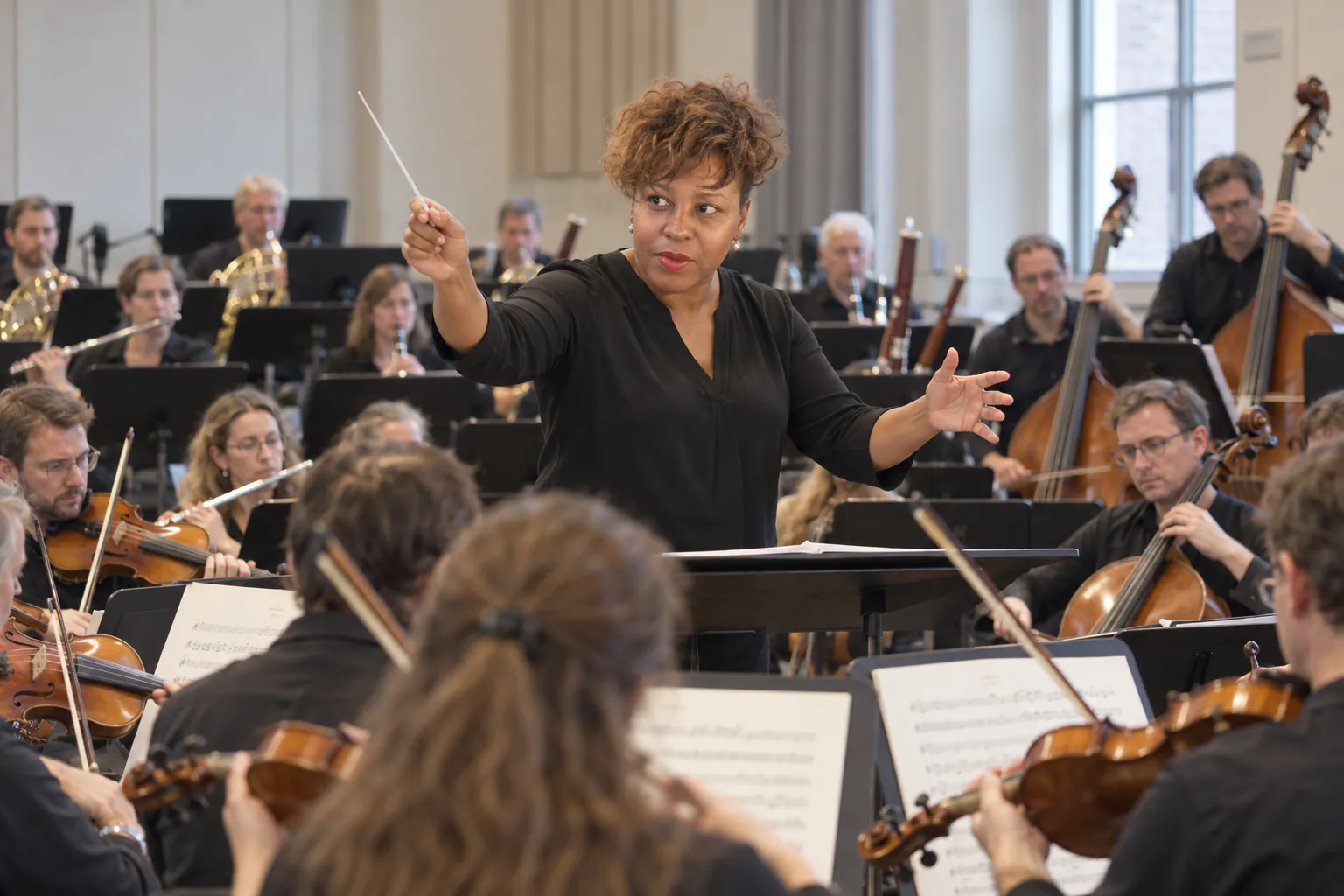
An international project can look balanced in a photograph while feeling very different to the people delivering it. One organisation may hold the budget, another may provide local knowledge, and an independent artist may carry the most uncertain financial risk.
The British Council’s 2024 research on cultural relations examines mutuality and equitable relationships. A useful implication for project planning is that fairness needs practical arrangements, not only welcoming language.
Ask who shapes the brief
Before agreeing a programme, make space for each partner to describe what they want to learn, contribute and achieve. Differences do not have to disappear. They do need to be visible enough for the project to respond to them.
Consider who chooses the repertoire or subject, who approves communications and whose working language is used in meetings. Translation and interpretation may be essential project costs. Treating them as an afterthought can leave some partners with less influence.
Make the resources visible
A shared budget conversation should distinguish fees, travel, accommodation, production and administrative work. It should also identify who must spend money before reimbursement and what happens if a payment is delayed.
These are proposed management practices, not claims about any particular funder’s contractual requirements. Travel permissions, taxes and contractual obligations need current, location-specific checks. A partnership should assign responsibility for those checks before bookings become commitments.
Agree how the work travels
Discuss recordings, images, written material and credit before the project produces them. Partners may have different expectations about publication or future reuse. A simple shared record of the intended outputs can make those discussions easier.
Set a realistic communication rhythm. A short meeting with clear decisions may serve the partnership better than frequent calls that create more reporting work than artistic progress.
Leave a useful relationship
The closing conversation should address what each partner can use afterwards: materials, contacts, learning or a possible next collaboration. It should also allow people to describe what did not work.
A meaningful exchange leaves more than evidence that people travelled. It leaves a clearer understanding of how they can work together.