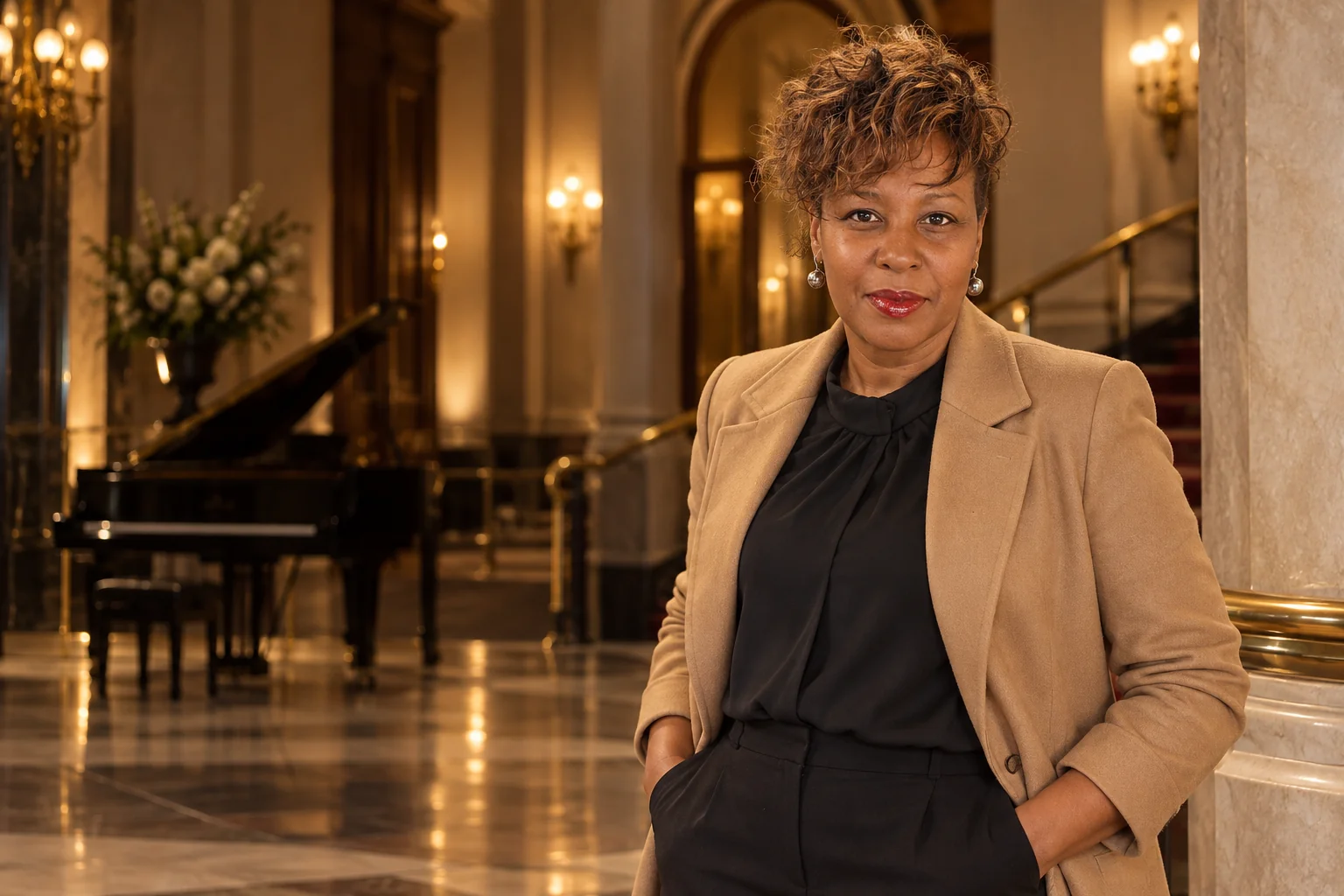
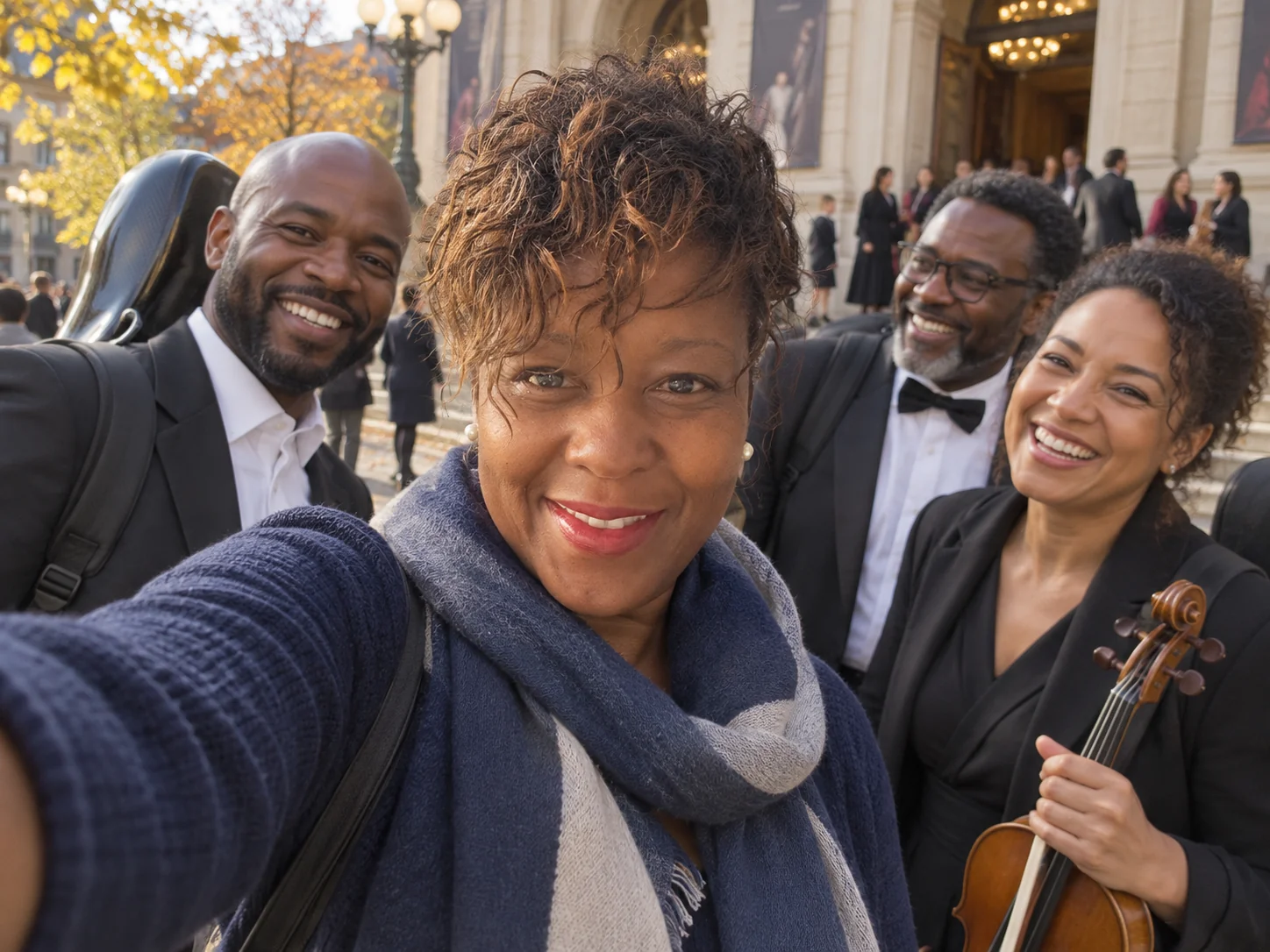
Unathi Malunga has built a career across both creative practice and the systems that determine how creative work is protected, financed, governed, supported and brought to audiences.
Over close to three decades, her work has moved across entertainment and production law, intellectual property, broadcasting, content acquisition, business affairs, public institutions, governance, policy, advocacy, lobbying, institutional leadership and creative-industry development. She is an admitted attorney of the High Court of South Africa, a Fulbright alumna and a graduate of UCLA, where she completed an LLM.
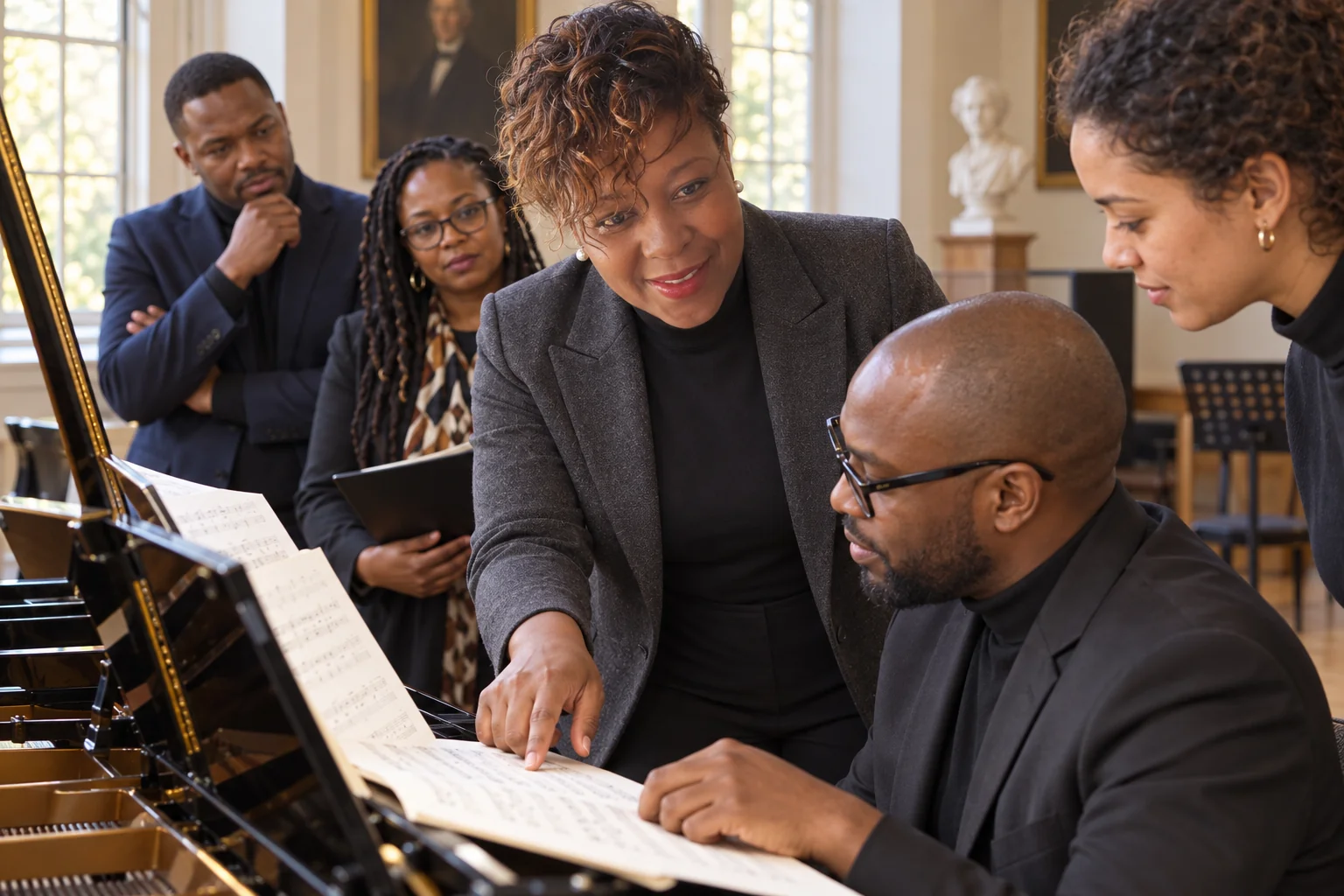
Her executive and institutional experience includes private legal practice and production legal work; General Manager: Business Acquisitions at the SABC; Content Acquisitions Manager in Business Affairs at Kwesé; Head of Operations at the National Film and Video Foundation; and Executive Officer and Lobbyist of the South African Screen Federation. Across those roles, she has worked at practitioner, organisational and system level — from contracts, rights and commercial transactions to public policy, industry representation, governance and institutional reform.
Her artistic work forms another substantial part of that career. A pianist and cellist by training, she later developed an orchestral-conducting practice encompassing rehearsal, performance, assistant conducting, artistic development and international orchestral work. Her conducting experience includes the South African-German production of Die Zauberflöte at Joburg Theatre, European orchestral engagements, RMB Starlight Classics and, in 2026, work as Assistant Conductor with the Western Balkans Youth Orchestra across the Western Balkans and Germany.
Today, those strands are expressed through several distinct vehicles. Upliftment for African Holdings carries much of her creative-industry advisory, strategy, project and professional-learning work. Creative Feel NPC houses non-profit and public-interest cultural work. Orchestral Arts Africa is being developed as a multidisciplinary orchestral-arts institution. Her wider work continues through boards, industry organisations, public-sector structures, partnerships and international professional networks.
What connects these fields is not a single discipline but a continuing concern with the conditions in which creative people and creative industries operate: who owns and benefits from creative work; how rights are protected; how institutions exercise power; how policy affects livelihoods; how professional opportunity is created; and how artistic practice can develop with greater authority, access and sustainability.
The disciplines are distinct. The underlying concern is not: how creative people gain access, how their work is valued, how institutions shape opportunity and how culture can be built with greater authority, fairness and imagination. The career is not fragmented. It is one body of work across the cultural and creative industries.
The disciplines are different. The underlying work is connected.