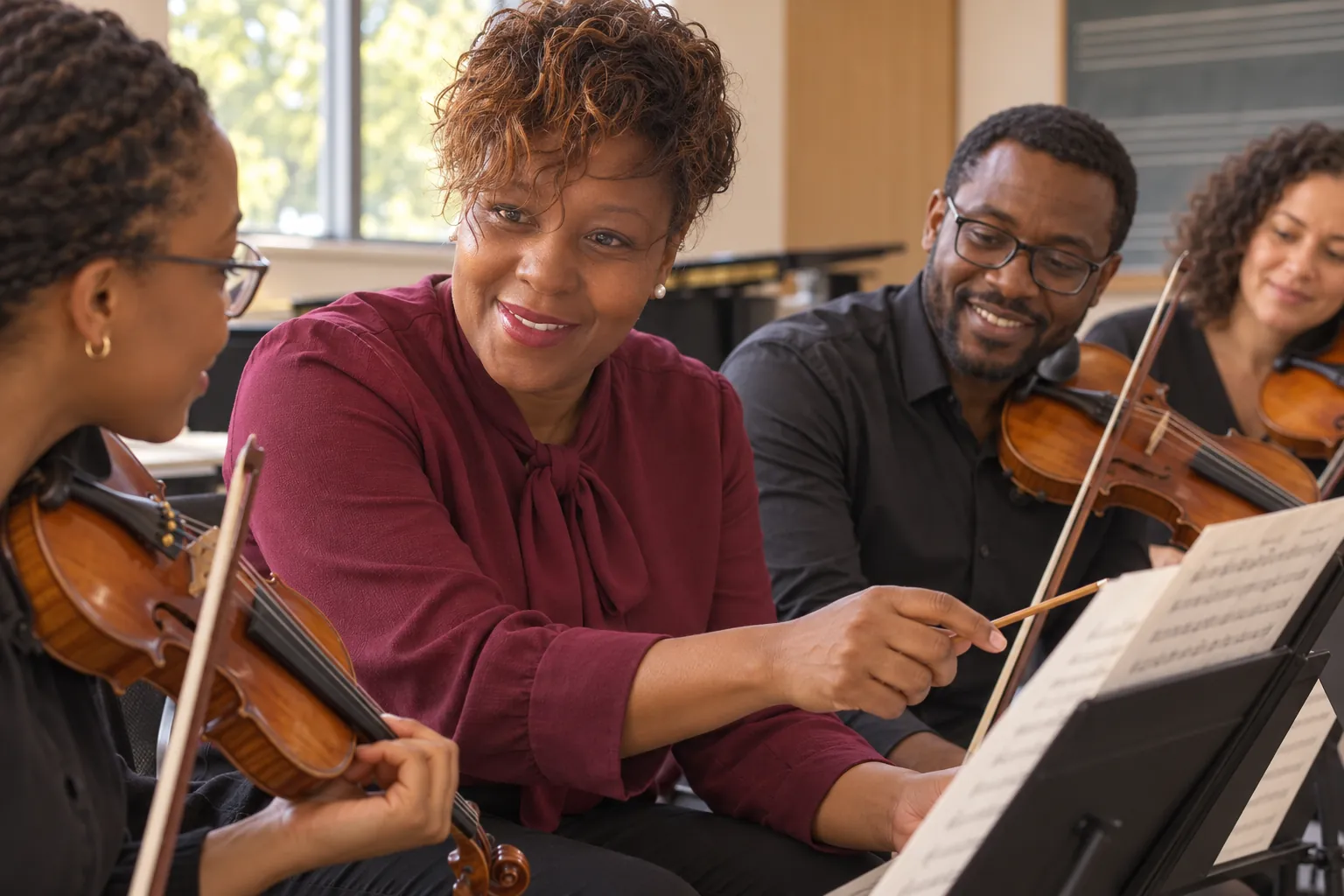
A cultural programme communicates belonging through many small decisions. Its price, venue, language, timing and welcome all shape who feels able to participate. Public-interest work becomes more concrete when those decisions are examined together.
UNESCO’s 2005 Convention on the Protection and Promotion of the Diversity of Cultural Expressions provides an international policy context for cultural diversity. It is an established convention, not a new instrument introduced in 2026. Its relevance here is as a starting point for thinking about the conditions in which different cultural expressions can develop and be shared.
Ask who is absent
An audience survey tells an organisation something about the people who arrived. It may say little about those who could not attend or did not consider the programme relevant to them.
Community conversations can help identify barriers, provided they are conducted with care and a clear purpose. Explain what can change, what is fixed and how participants will hear what happened to their input.
Widen the ways to participate
Attendance is one form of engagement. People may also contribute as makers, collaborators, advisers or learners. Different formats can create different opportunities, but each needs appropriate support.
A discussion after a performance, for example, requires thoughtful facilitation. An open invitation to contribute does not remove differences in confidence, language or familiarity with the setting.
Make practical information visible
Describe the venue, transport options where known, timing, access arrangements and any participation requirements. Give people a clear contact route for questions that the published information does not answer.
Where an arrangement has not been confirmed, say so. An accurate explanation of current provision is more useful than an expansive accessibility promise that the organisation cannot fulfil.
Close the feedback loop
After a programme, share what was learned and what can be improved. Avoid asking communities repeatedly for information without showing how it informs decisions.
These are proposed programme-design practices, not claims that a particular institution has implemented them. Participation becomes more meaningful when people can see how an invitation connects to real choices about the work.
Sources & further reading
UNESCO: 2005 Convention on the Diversity of Cultural Expressions ↗